


What Is Deep Tissue Massage and How Does It Work?
- postrehabspecssg
- 5 minutes ago
- 5 min read
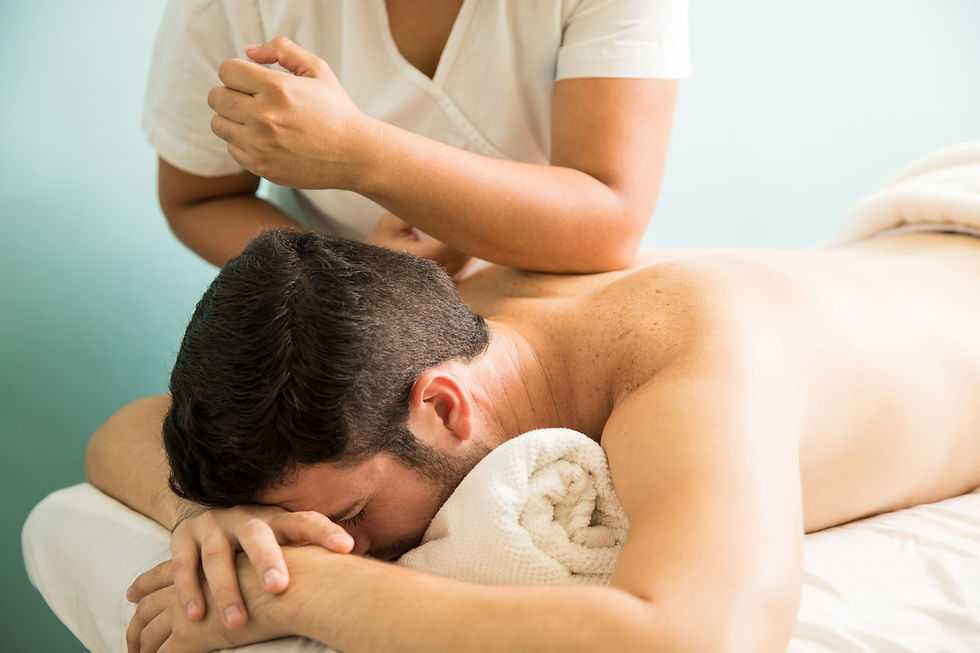
Deep tissue massage is a type of therapeutic massage that focuses on the deeper layers of muscle and connective tissue . It involves slow strokes and firm pressure . It's designed to release chronic tension, break down adhesions, and improve mobility. It's not a relaxation massage, it gets down deep under the surface to get to the root cause of muscular discomfort, not just the symptoms.
Considering deep tissue massage in Singapore but don’t know what to expect? This guide will explain the ins and outs of deep tissue massage: how the technique works and who it is best suited for.
What Makes Deep Tissue Massage Different From Other Massages?
Most people are familiar with Swedish massage, a lighter flowing technique designed to relax. Deep tissue massage uses the same basic strokes but a lot more pressure and moves a lot slower. It’s not just about feeling good right now. It’s to get to the muscle underneath the surface and to address the structural tension that’s built up over time.
Feature | Swedish Massage | Deep Tissue Massage
|
Pressure Level | Light to moderate | Moderate to firm |
Primary Goal | Relaxation, stress relief | Pain relief, tissue repair |
Target Depth | Superficial muscle layers | Deep muscle and fascia |
Best For | General wellness | Chronic tension, injury recovery |
Sensation During | Generally comfortable | Intense at times, productive |
How Does Deep Tissue Massage Actually Work?
The method involves pressure on certain points under control of the fingers, thumbs, knuckles and forearms of the therapist. This constant pressure helps to break up adhesions – bands of rigid painful tissue that can form in muscles, tendons and ligaments after injury, overuse, or prolonged tension.
The Role of Fascia
Fascia is the web of connective tissue that encases every muscle in your body. Poor posture, repetitive motion, or old injuries can make it tight or restricted. This limits range of motion and creates discomfort. Deep Tissue work is directed at releasing fascial restrictions in an effort to help restore normal tissue glide and flexibility.
What Happens to Your Muscles
The therapist applies firm, slow strokes in the direction opposite of the muscle fibres, which helps to increase blood circulation in the area and flush out metabolic waste such as lactic acid. It also stimulates the parasympathetic nervous system which reduces cortisol and releases the tension held in the tissue slowly. "It's not all mechanical, it's physiological.
What to Expect During a Deep Tissue Massage in Singapore
First-timers often walk in unsure of what they've signed up for. A simple explanation would be:
Assessment and intake: Before starting, a qualified therapist will ask about your areas of concern, injury history and pressure preference. Don’t skip this step – it shapes the entire session.
Positioning: You'll lie on a padded table. The therapist works through draping so only the area being treated is exposed at any time.
Warm-up strokes: A session will typically begin with lighter strokes to warm up the superficial tissue before going deeper.
Targeted pressure : The therapist puts pressure on certain areas of tension. You may experience what is often called “good pain” – intense but relieving.
Communication matters: Speak up if the pressure feels too sharp or uncomfortable. A good therapist adjusts in real time. There's no award for enduring excessive discomfort.
A standard session runs 60 to 90 minutes. Focused sessions targeting a single area (such as the neck and shoulders) can be done in 30 to 45 minutes.
Who Benefits Most From Deep Tissue Massage?
Deep tissue massage isn't exclusively for athletes or people recovering from injury — though it works exceptionally well for both.
Office workers with chronic neck, shoulder or lower back tightness from sitting for long periods
Individuals with postural imbalances
People with conditions like fibromyalgia or sciatica (with medical clearance)
If you experience recurring headaches and tightness in the upper back and neck
Those on a rehabilitation program recovering from soft tissue injuries
Deep tissue massage was more effective than non-steroidal anti-inflammatory drugs (NSAIDs) for relieving chronic low back pain in participants in a study published in the Journal of Alternative and Complementary Medicine. That's a significant finding for anyone who defaults to medication for muscular pain.
Is Deep Tissue Massage Safe? What Are the Contraindications?
But it is not always appropriate. Do not have deep tissue massage if you:
Blood disorders, or taking blood thinners
Open wounds, skin infections or recent surgery in the treatment area
Severe osteoporosis
Active cancer in the treatment area (always check with your oncologist)
Deep vein thrombosis (DVT)
Pregnancy is another consideration – certain techniques and pressure points are contraindicated so always disclose this to your therapist. If you have any underlying health condition, check with your doctor before booking.
Will You Feel Sore Afterwards?
Yes — and that's normal. Usually in two days it goes away.”
To aid recovery following your session:
Drink lots of water to help flush out metabolic waste released
Avoid heavy exercise for 24 hours
Apply a warm compress to any areas that are especially sore
Rest – your body does a lot of repair work after deep tissue work
If you experience sharp pain or pain that lasts more than 72 hours, you should follow up with your therapist or healthcare provider.
How Many Sessions Do You Need?
There is no magic number. That depends on what you are treating, how long the tension has been there and how your body reacts. Monthly sessions are usually sufficient for general maintenance and tension associated with stress. For chronic pain or post-injury rehabilitation, weekly or bi-weekly sessions may be recommended for the first four to six weeks tapering as tissue responds and mobility improves. good therapist will provide you with an honest timeline, not an open-ended commitment that keeps you returning forever.
Finding the Right Deep Tissue Massage Therapist in Singapore
Look for therapists who have a recognised qualification in remedial or clinical massage therapy and experience with the particular condition you are working on. In Singapore, there are therapists regulated by the Allied Health Professions Council (AHPC) for certain categories of therapy – it’s worth asking about a practitioner’s qualifications and clinical background before booking.
If you are looking to recover — from a sports injury, postural dysfunction or post-surgical rehab — then consider a practice that combines massage therapy with a more comprehensive clinical approach. This is the Post Rehab Specs approach to soft tissue work. We combine the principles of rehabilitation with good manual therapy skills to make sure treatment is targeted and appropriate and leads to measurable outcomes.
Frequently Asked Questions
Is deep tissue massage painful?
Most people feel a "good pain" - unpleasant at the time but cathartic. The pressure should never be sharp or intolerable. A good therapist will watch your feedback and adjust throughout the session. Some mild soreness is expected for 24-48 hours after the session.
How is deep tissue massage different from a sports massage?
Both techniques apply firm pressure to access deeper layers of muscle, but sports massage is geared toward athletic performance (pre-event preparation or post-event recovery). Deep tissue massage is effective for chronic muscle tension, adhesions and fascia restrictions, athletic or not. The two overlap considerably and are often used interchangeably by practitioners.
How often should I get a deep tissue massage in Singapore?
Once a month is usually enough to feel generally well and manage tension. Your therapist should have a clear plan for treatment, not an indefinite schedule, and it should have a realistic endpoint.



Comments